By Jenny Lawhorn Sammis
As Sierra Leone closes another orphanage, Kidsave is working to ensure that every child,including those with disabilities and special needs, has the opportunity to grow up in a safe, loving family.
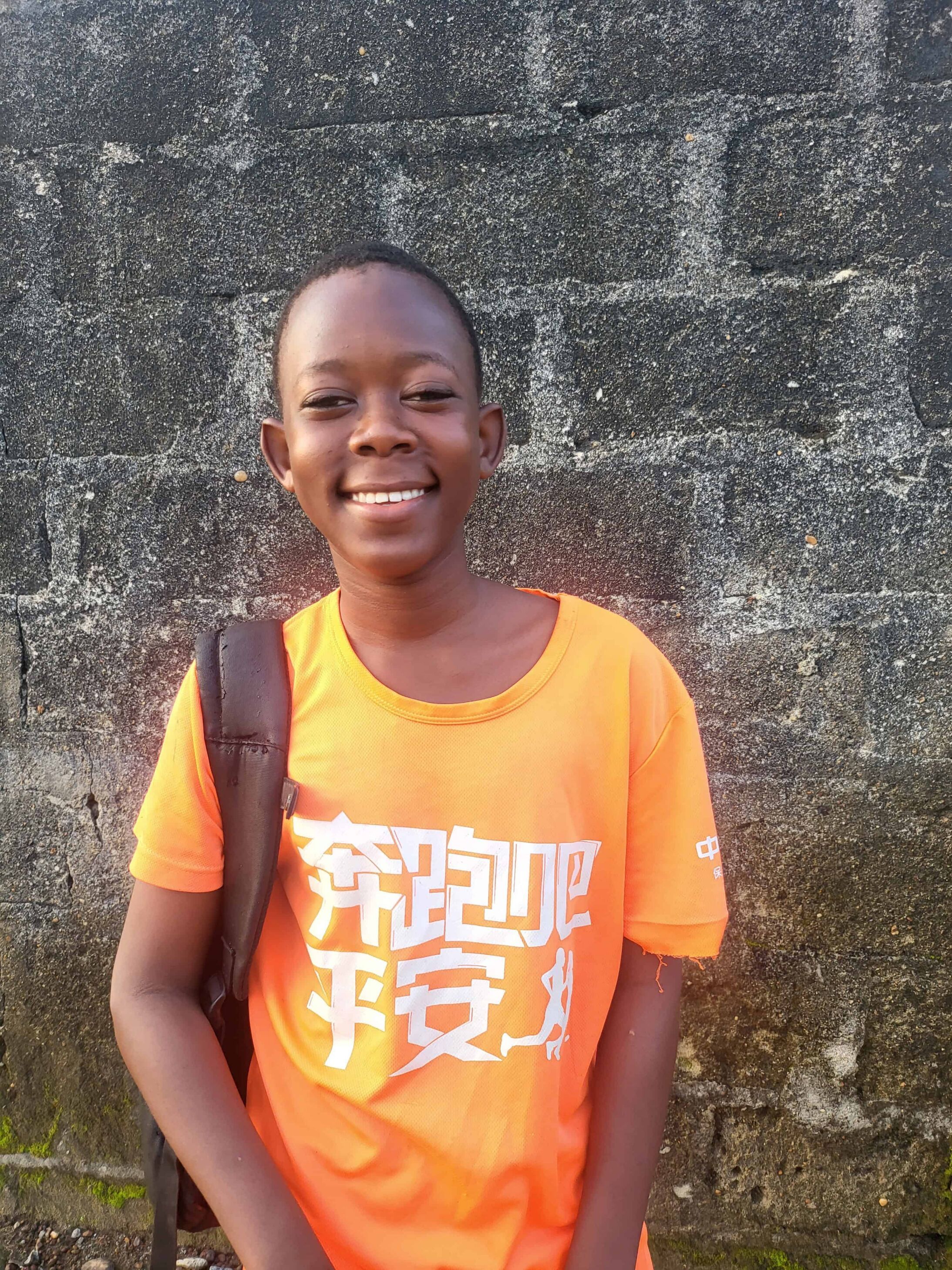
At 13 years old, Catherine Koroma had spent nearly half her life in an orphanage.
For six years, the institution had been the only home she knew. Then one day, the home that had protected her became the place that put her at risk. Poor water and sanitation conditions had created a growing threat of cholera, and local health officials warned that the orphanage could no longer keep its children safe.
The question was no longer whether the orphanage should close. The question was: Where would Catherine go?
The answer wasn’t another institution. It was family.
Working with Kidsave, local partner Integrated Development Initiatives (IDI), and community child protection committees, social workers traced Catherine’s grandmother to Bahoi Village in Bonthe District. Despite difficult river travel during the rainy season, the team completed family assessments, prepared her grandmother to welcome Catherine home, and provided caregiver counseling, one month of food support, a hygiene kit, a bed, clothing, shoes, school supplies, textbooks, and other essential items to help make the transition successful.
Today, Catherine is living safely with her grandmother, participating in community life, and receiving ongoing support to ensure her placement remains stable.
Her story illustrates an important truth: Closing an orphanage is not the goal. Finding every child a safe, loving family is.
Across the world, governments are recognizing what decades of research have confirmed: children thrive best in families, not in institutions. Sierra Leone has embraced that vision, committing to transition children from orphanages into permanent family care whenever it is safe and possible.
That commitment recently presented an urgent challenge.
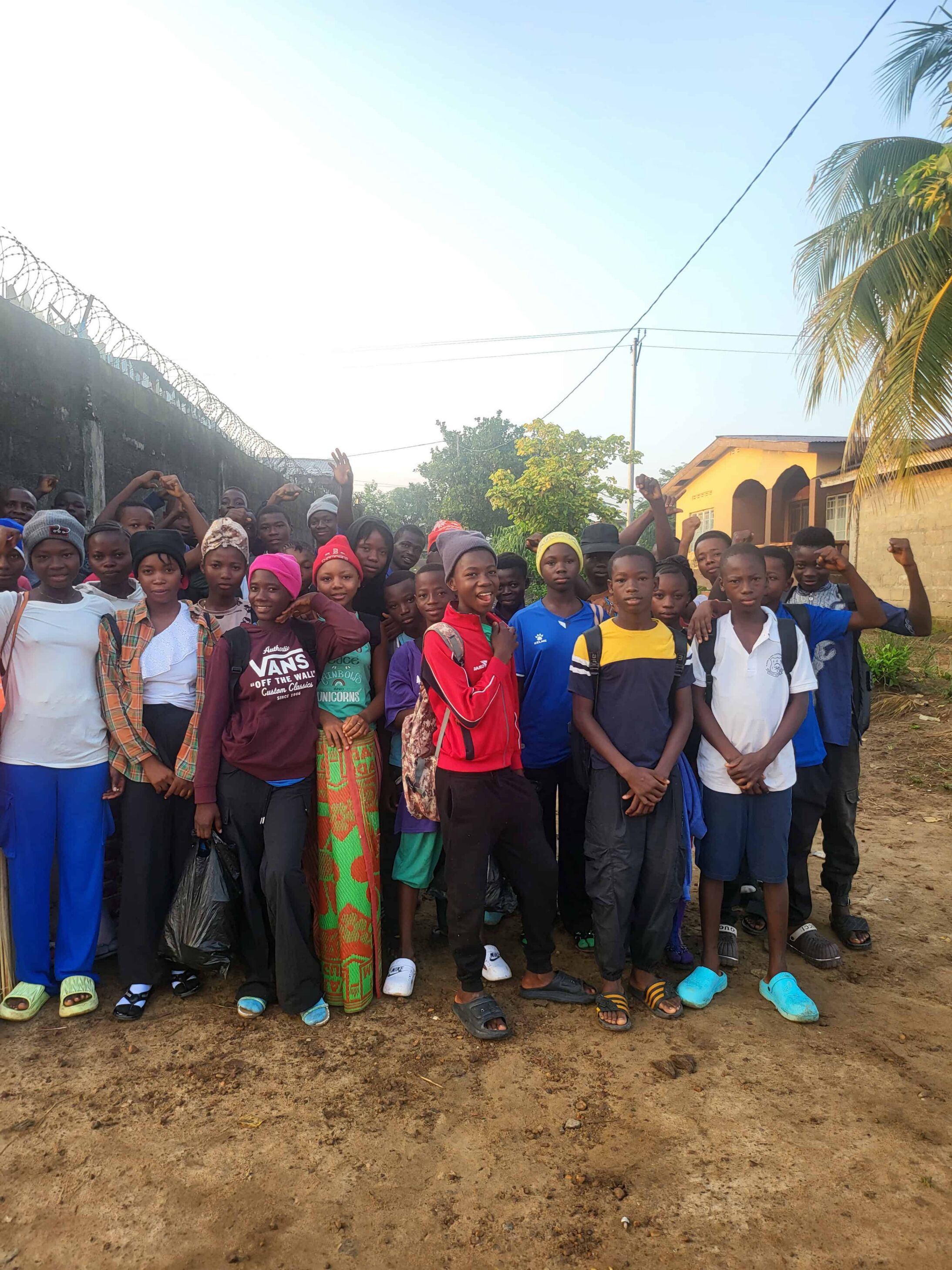
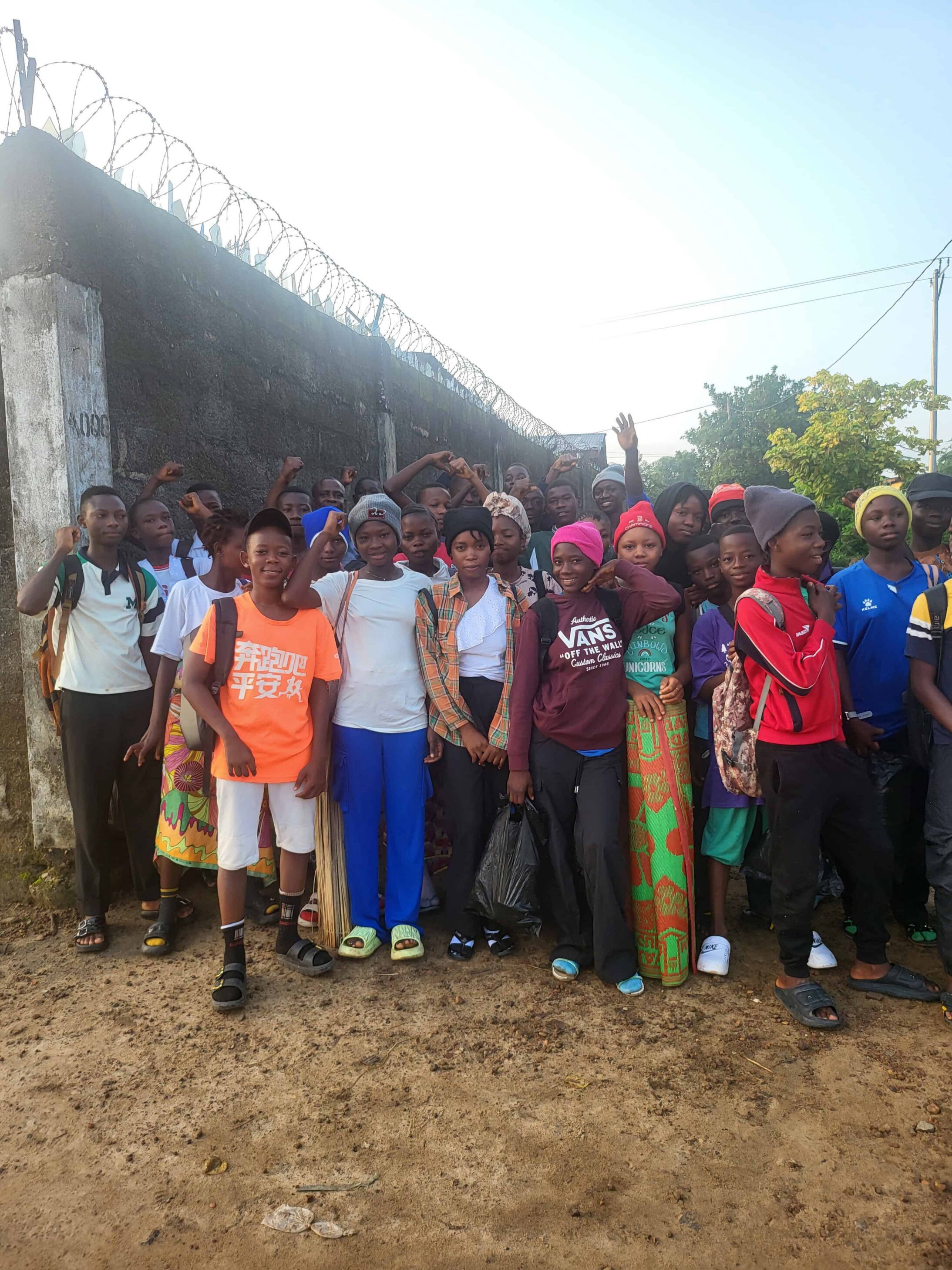
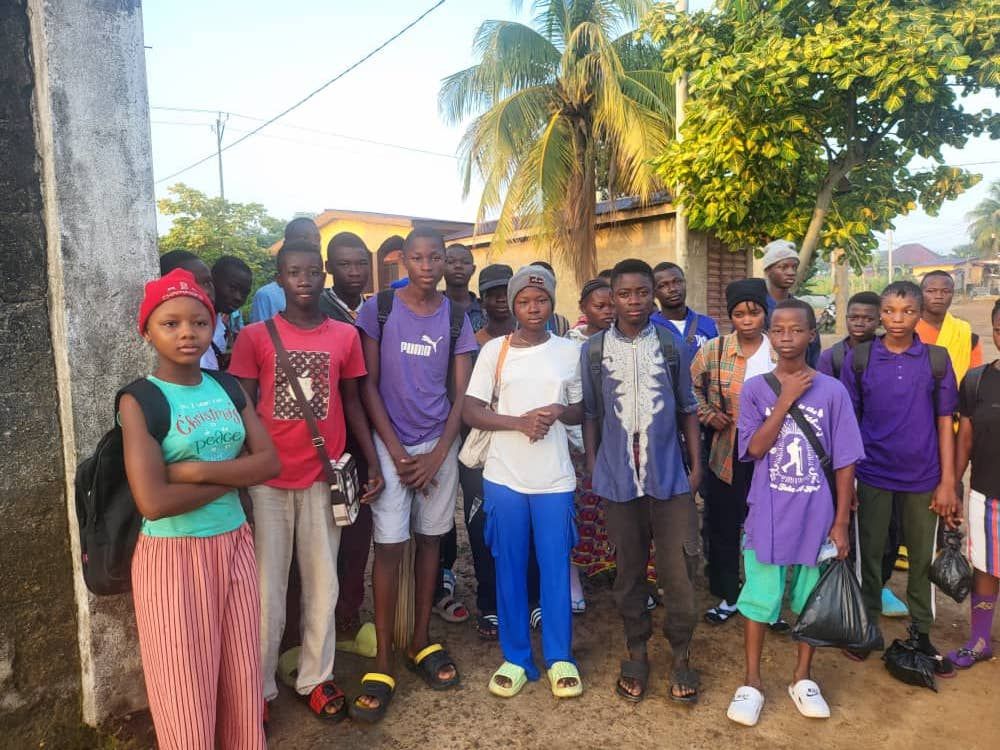
The Empowerment for Children’s Orphanage, home to 48 children, had reached a point where deteriorating infrastructure, poor water and sanitation conditions, and growing public health concerns made closure the safest option. Yet closing the doors was only one part of the solution. Every child required an individualized transition plan to ensure they would continue receiving the care, stability, and support they needed.
Together, Kidsave and IDI developed a comprehensive transition strategy.
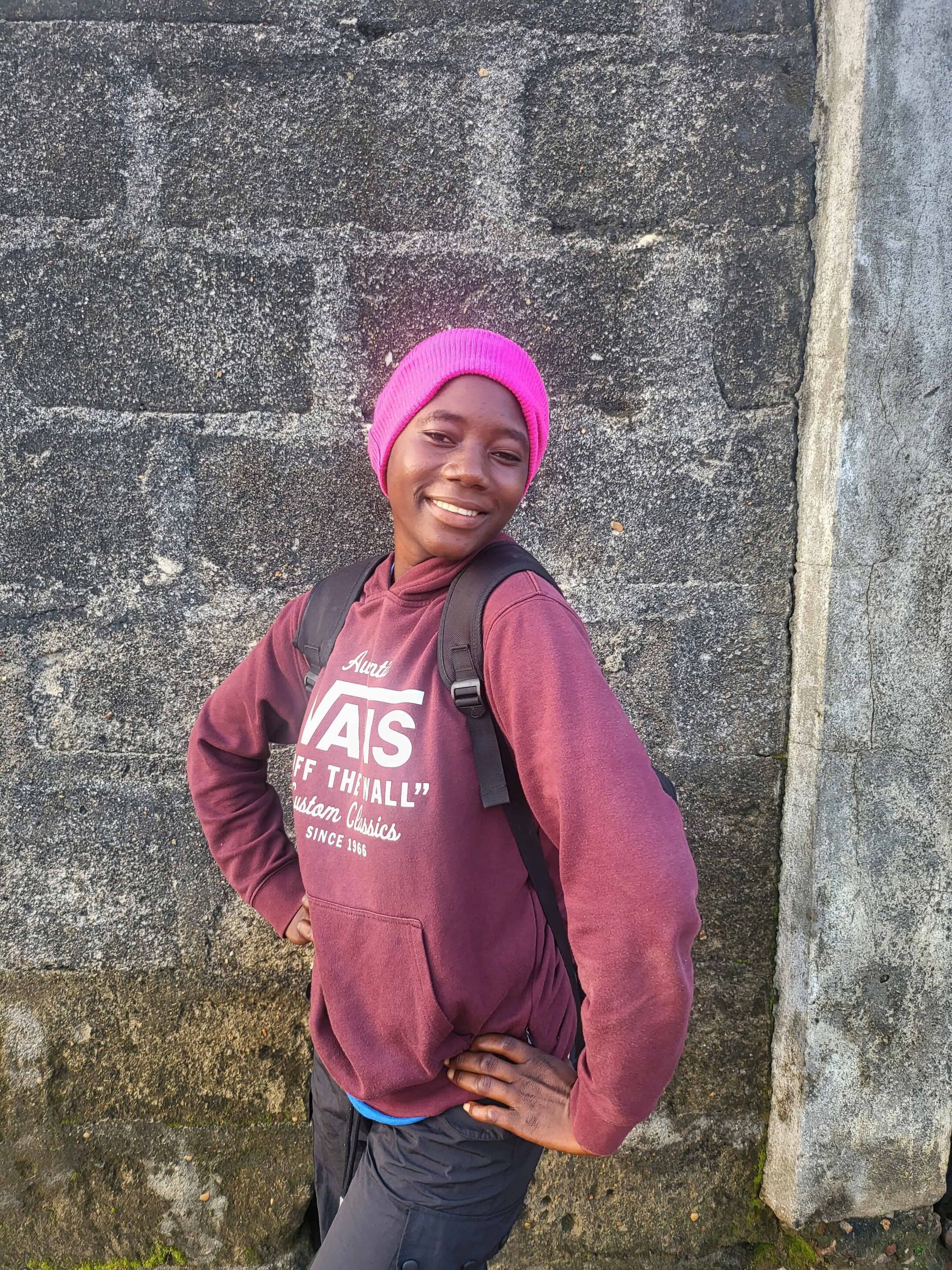
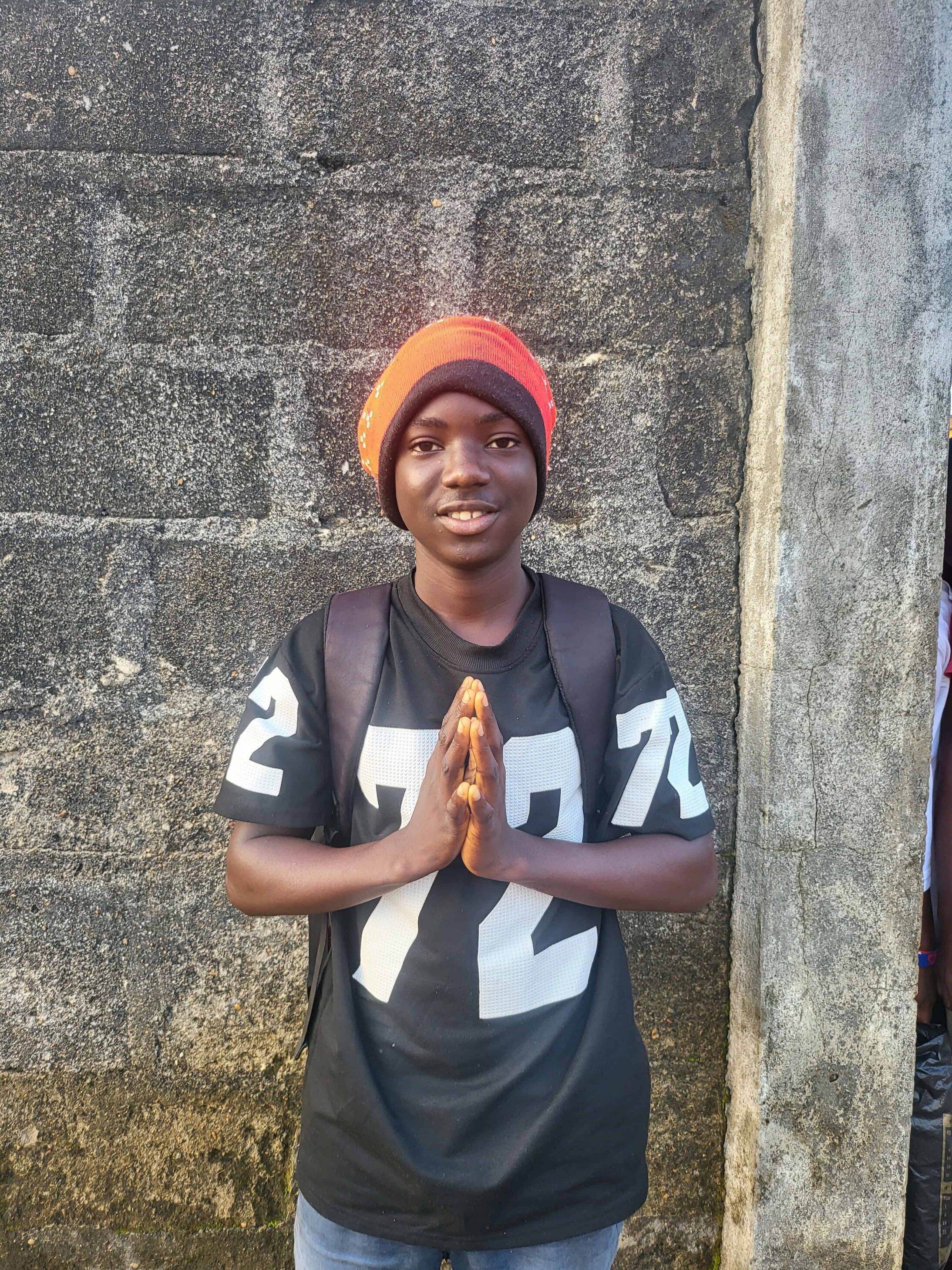
Seventeen children were immediately reunited with families while plans were developed for the remaining children based on their individual needs. Children who could safely return to biological or extended family members were reunited after extensive family tracing, home assessments, and caregiver preparation. Older youth began vocational training and independent living preparation to help them transition successfully into adulthood.
But the greatest challenge involved nine children with disabilities and special needs.
Too often, children with developmental disabilities remain in institutions because families lack the training and support necessary to care for them. Rather than accepting that outcome, Kidsave and IDI identified and prepared nine specialist families willing to open their homes.
Each family received specialized training from therapists before welcoming a child, along with ongoing coaching and support. The children are now settling into family life while receiving individualized care, mobility supports, school inclusion services, and continued access to health care. Regular monitoring helps ensure every placement remains stable and every child continues to thrive.
The work does not end when a child walks through the front door of a new home.
Every family participating in Kidsave’s reunification program receives extensive preparation before a child arrives. Caregivers receive training on trauma, attachment, child development, and the unique needs of children who have experienced institutional care. Families also receive practical support—including food, beds and mattresses, clothing, shoes, hygiene supplies, school materials, textbooks, and other household essentials—to help children transition successfully.
Following reunification, IDI social workers continue visiting families for months, providing counseling, connecting caregivers with community resources, monitoring each child’s well-being, and helping ensure children remain healthy, enrolled in school, and safely cared for.
This comprehensive approach reflects a growing understanding within child welfare: permanence is not achieved simply by moving children out of institutions. It is achieved by strengthening families so children never have to return.
Today, Catherine is no longer living in an institution. She is living with her grandmother, attending school, and rebuilding the childhood every child deserves.
She is one of 48 children whose futures are being rewritten because Sierra Leone is embracing family-based care—and because dedicated social workers, communities, and supporters refused to let an orphanage closure become another crisis for children.
There is still more work to do. The nine children with disabilities will continue receiving specialized therapeutic support as they settle into family life. Older teens will continue vocational training and life-skills education as they prepare for independent adulthood. Families will receive counseling, monitoring, and practical assistance long after the move home to ensure every placement succeeds.
But one thing is already clear. An empty orphanage is not the measure of success. A child laughing around the family dinner table. Sleeping safely in their own bed. Walking to school each morning. Knowing they belong. That is success.
That is the future Kidsave is working toward in Sierra Leone — because every child deserves more than a place to live. Every child deserves a family.