By Benjamin Rosas
Kidsave’s mission to help older youth in foster care find permanent families extends beyond the United States. In Sierra Leone, Kidsave works to support vulnerable children through humanitarian aid support, case-mining and reunification, and child welfare reform efforts.
Sierra Leone has a long history of being affected by disease, famine, and civil unrest, all of which have contributed to a rise in child orphanhood. Additionally, because of health crises such as the 2015 Ebola outbreak, many children had to be separated from their families to prevent the spread of disease. Today, Kidsave’s program focuses on reuniting affected children with their biological family, or if necessary, connect them with loving adoptive families in their local community. This reunification process helps children safely reconnect with family and regain a sense of hope and stability.
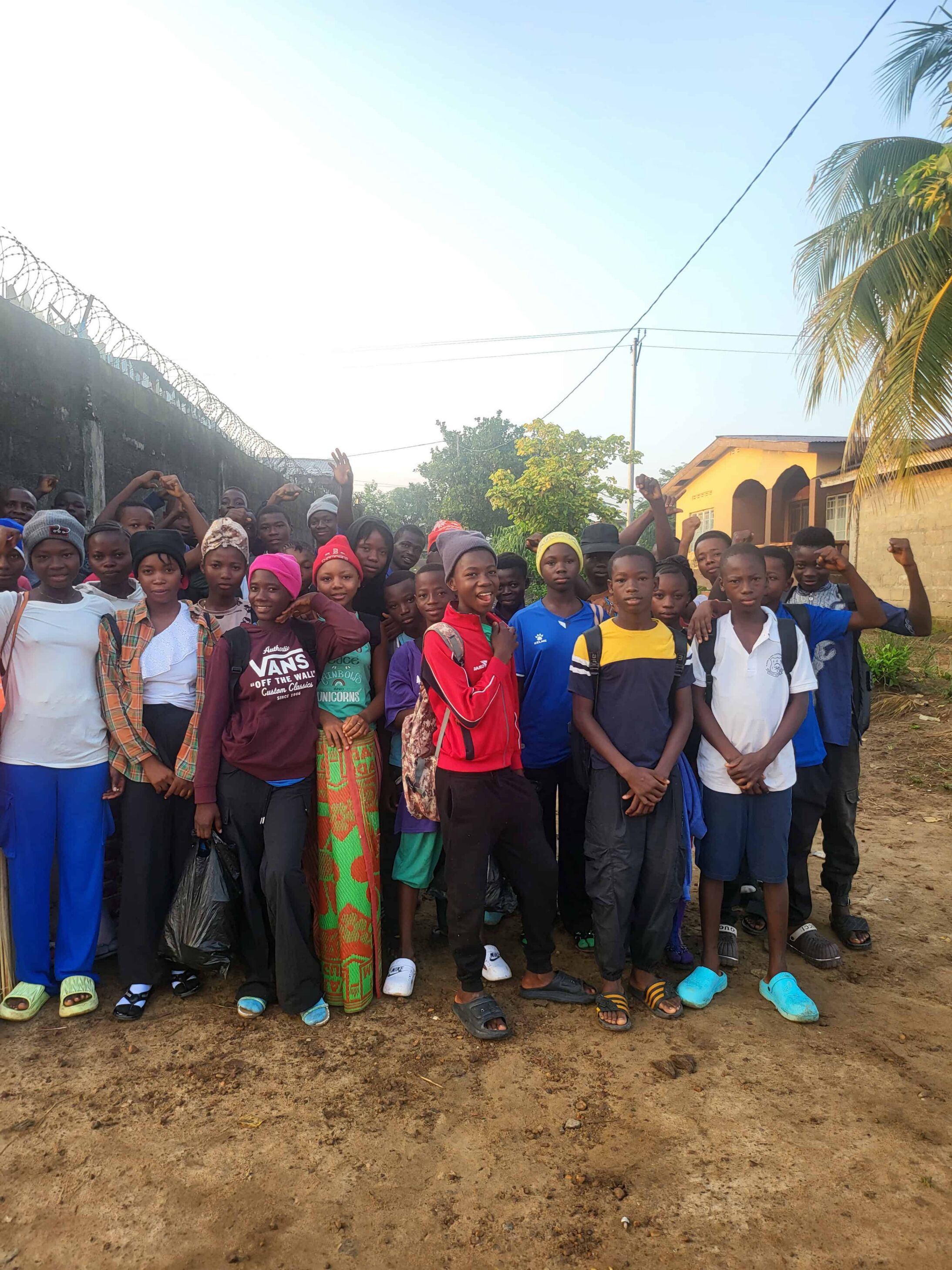
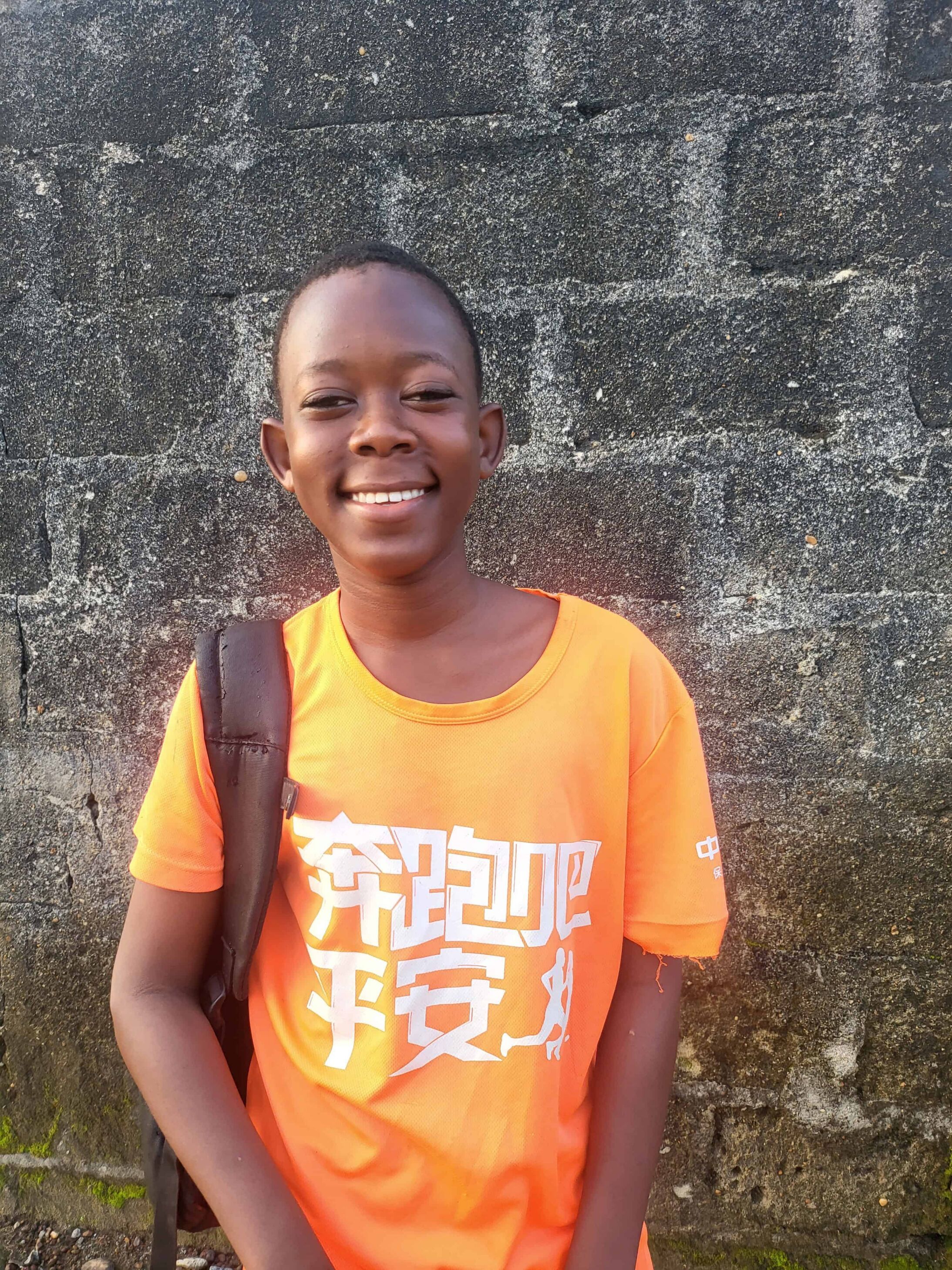
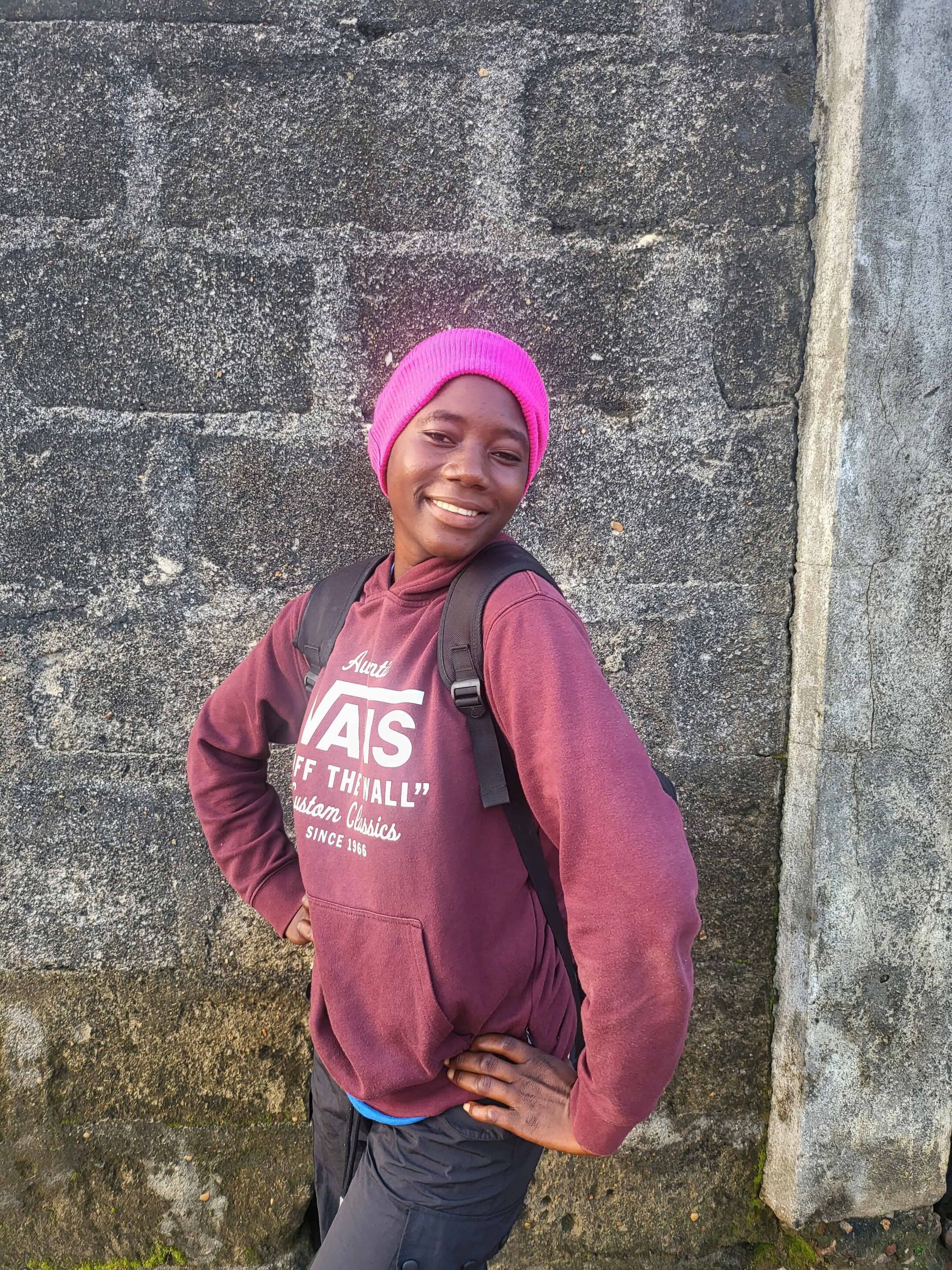
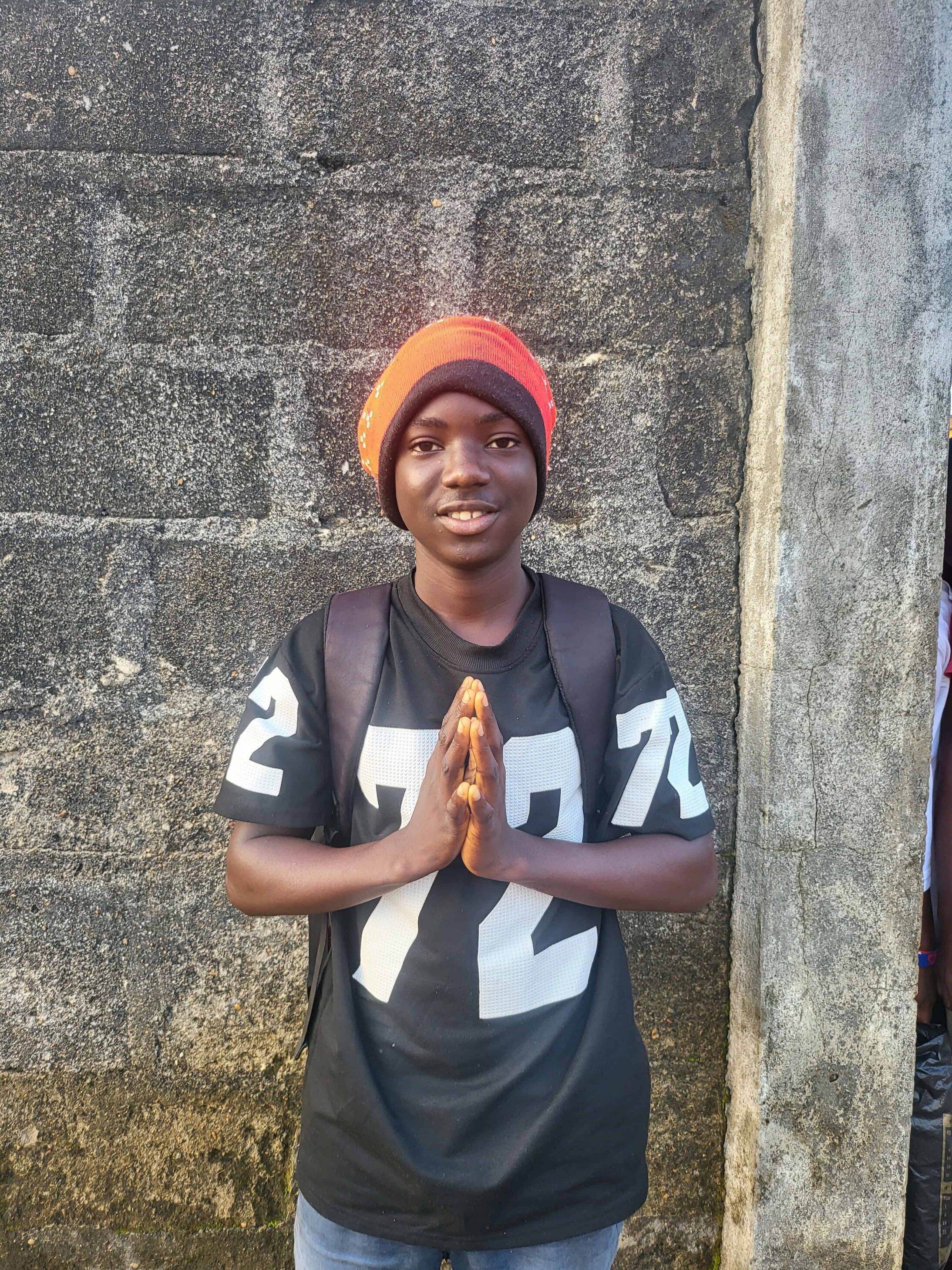
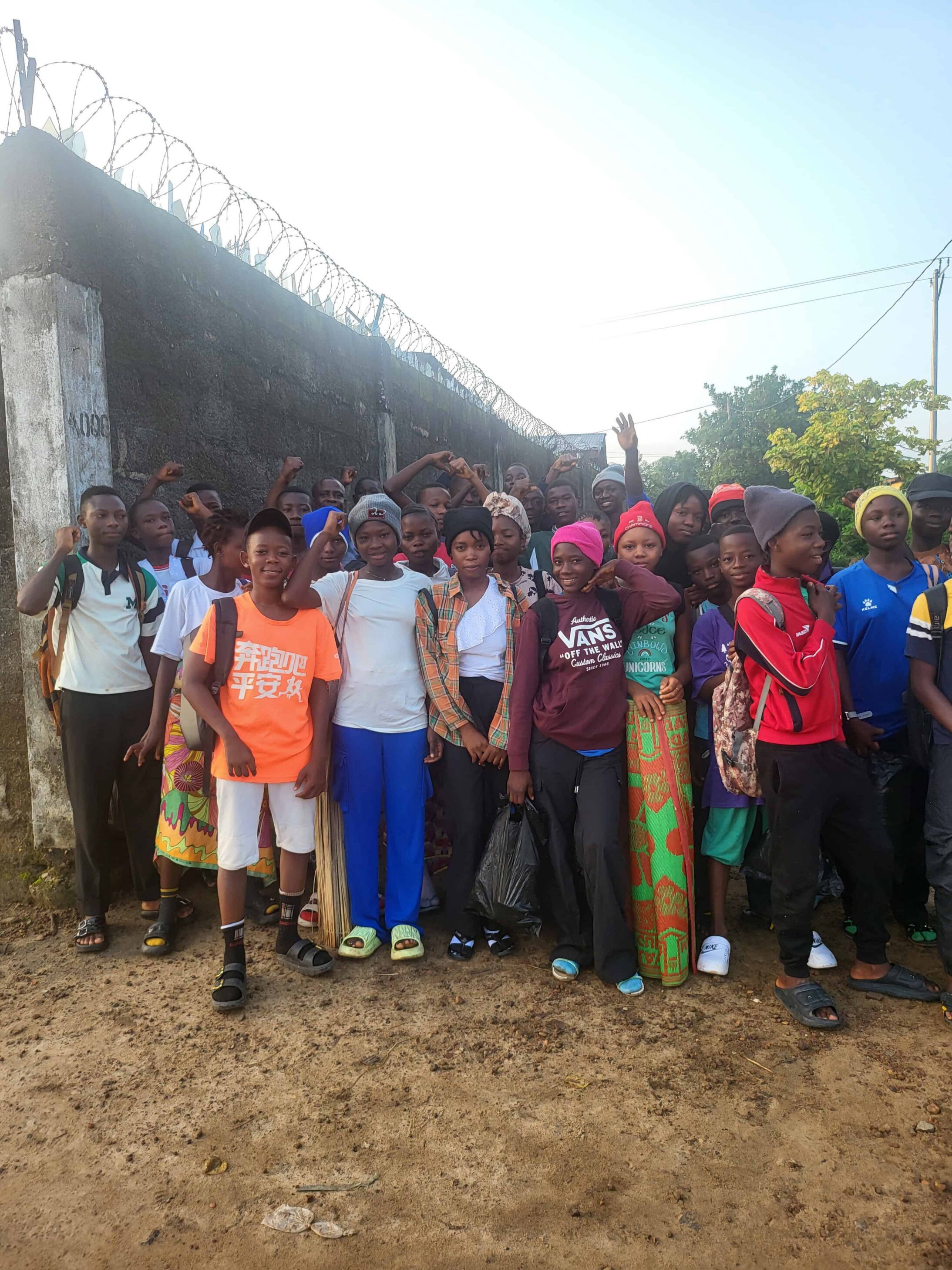
Last month, in the Bo and Pejehun District of Sierra Leone, Kidsave made efforts to unite 17 children with extended families. In partnership with Integrated Development Initiatives (IDI), we worked to identify and locate a family member or caretaker for each child.
However, this process proved difficult and came with its own set of challenges: many children had no birth certificates or documented family records, most were between the ages of 3 and 6 with little to no knowledge of their family history, and some relatives lived in remote areas accessible only by motorbike during the dry season. Despite these obstacles, Kidsave and IDI remained committed to helping these kids find their way home.
After a long search and outreach, 13 of the 17 children were successfully reunited with extended families and loved ones all thanks to local community partners and child welfare efforts. Through tears, the caretakers held the children in a warm embrace and welcomed them home. Beyond giving these children a second chance, the reunification process doesn’t stop once the child finds a new home.
Each family receives reintegration counseling, training, and a starter support package. Such packages include additional mattresses, school supplies, and toiletries.
Ten community child welfare committees were engaged in our efforts. This will support monitoring and prevent re-separation, so the children will never be left alone again.
Case files, consent forms, and reunification certificates were completed on all 13 successful cases. This ensures that families were formally united and that each of the 13 children are properly documented.
The result was worth it, but our work was not done. Four children still needed our help.
During the reunification process, Kidsave and IDI staff took enhanced measures for the remaining four while family tracing continues. These four children are placed with vetted and trained community-based families along with continued school enrollment and access to psychosocial support services.
All the while, Kidsave and IDI will continue family tracing efforts through radio announcements and district social welfare offices. Furthermore, this last case for the remaining four has also been referred to the District Child Welfare Committee for review and decision on long term placement.
The reunification process demonstrates that family-based care is possible, with 85% of cases successfully resolved. The four unresolved cases demonstrate the need for stronger civil registration systems and more sustained family tracing mechanisms. With help from local communities and partnership with IDI, Kidsave remains confident and committed to bringing these children home.
Thirteen children have safely united with loved ones and are living their lives almost stolen from them. Learn more about our reunification process here: www.kidsave.org/reunification/